

The 2026 shift: adjustment of status is now "extraordinary" discretion.
The law that lets a spouse get a green card from inside the U.S. has not changed. What changed is how the government uses its discretion over it. That change has made these cases much harder.
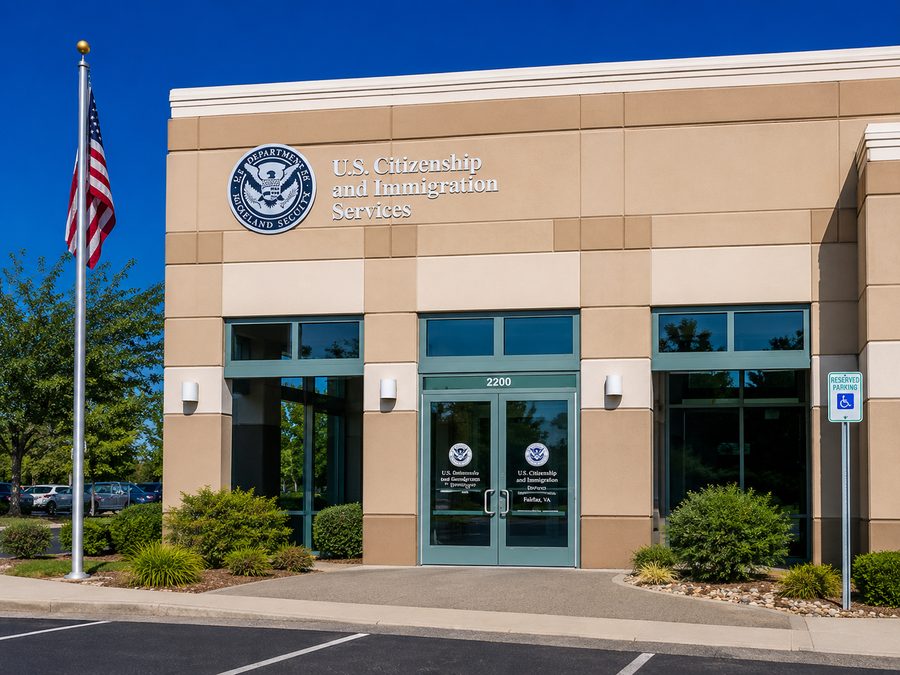
On May 21, 2026, USCIS issued Policy Memorandum PM-602-0199, "Adjustment of Status and Discretion." Adjustment of status is the in-country green-card process. The memo directs officers to treat it as "an extraordinary discretionary relief" and "an act of administrative grace." It is no longer something an eligible applicant can expect to receive. USCIS's news release says it will grant adjustment "only in extraordinary circumstances."
This page explains what that means for a marriage-based case. It also explains what it does not mean.
What the memo changed
- Adjustment is now openly discretionary. Officers must weigh the positive and negative factors in every case. The applicant must show strong equities. The absence of problems is no longer enough for approval.
- Denials come with a written analysis. An officer who denies must explain the positive and negative factors in writing. The officer must state why the negatives outweigh the positives.
- It reaches cases already on file. The memo has no grandfathering clause. It applies to I-485 applications that were pending when it issued.
What the memo did not change: the law
The memo states it does not introduce new law. The statute still authorizes a spouse who was inspected and admitted or paroled to adjust. Immediate relatives of U.S. citizens remain statutorily exempt from the 245(c) bars (overstay, unauthorized work, falling out of status). You are not barred.
Here is the crucial shift. The same facts the statute forgives as bars can now be weighed against you as discretionary negative factors. Being eligible is no longer the same as being approved. That is why how a case is prepared and presented now matters so much more.
Negative factors officers now document
- Overstaying an authorized stay, or otherwise falling out of status;
- Working without authorization;
- Immigration violations or any indication of fraud;
- Violating the terms of a parole or a nonimmigrant admission, or not departing when expected;
- Choosing to adjust inside the U.S. when consular processing abroad was available.
Positive equities we build for you
Approval now turns on outweighing the negatives. The heart of a modern case is the positive record:
- A genuine, thoroughly documented marriage to a U.S. citizen;
- Long-standing U.S. residence and family ties — especially U.S.-citizen spouse and children;
- A clean record, tax compliance, steady employment, and community involvement;
- Good moral character, and the hardship your family would face if you were separated.
Interviews are tougher
Expect closer questioning at the green-card interview. Officers probe why you are adjusting here rather than at a consulate. They ask what ties you keep abroad. With USCIS's 2025 expansion of marriage-fraud vetting, they scrutinize the bona fides of the marriage itself. Preparation is no longer optional.
Travel is riskier
Do not travel internationally while your case is pending without speaking to your attorney first. Even with advance parole, travel carries real risk in the current climate. It can undercut your case. This is one of the most common ways a strong case gets damaged.
If your case is already pending
A pending I-485 is not being dismissed. But it is now judged under this framework. Expect possible delays and Requests for Evidence. Use the time to strengthen the positive-equities record before your interview.
What is still unfolding
This is a policy memorandum, not an amendment to the statute. It is expected to be litigated. How far it reaches will be shaped by the courts. We track these developments closely and adjust strategy as the law responds. (This page is current as of July 2026.)
How we help in this environment
We assess discretion honestly before you file. We build the equities record the memo now demands. We prepare you for a harder interview and advise you on travel. Where adjustment has become too risky for your facts, we weigh consular processing and waivers instead. Tell us about your case and we will give you a candid read on where you stand.
Sources: USCIS Policy Memorandum PM-602-0199, "Adjustment of Status and Discretion" (May 21, 2026) · USCIS news release · AILA, New Policy on Adjustment of Status as an Act of Extraordinary Discretion · statute INA § 245 (8 U.S.C. § 1255). General information, not legal advice.
In a tougher environment, preparation is everything.
Free consultation with a U.S. immigration attorney. We'll tell you honestly where your case stands.